
Remote headlands
Tower sites mark fog-heavy points once reached only by boat and cliff track.
Northern Coast Lighthouses
Explore archive photographs, keeper accounts, and preserved towers in one warm, carefully curated record of coastal heritage.
Coast overview
Tower sites mark fog-heavy points once reached only by boat and cliff track.
Many lamps now shine through careful conservation and period-minded repair.
Service often passed through families, preserving local seamarks and routines.
A resilient chain of stations still anchors the coast's maritime memory.
Historical timeline
This chronology outlines how northern coast lighthouses moved from first construction to modern stewardship, offering context for the stories and map that follow.
1842–1860s
Stone and timber lights were raised at hazardous inlets to guide coastal shipping lanes during peak fog seasons.
1870s–1910s
A broader network of towers, keeper cottages, and fog signals connected remote stretches of the northern coast.
1920s–1960s
Electric lamps and radio beacons reduced manual routines while families gradually left long-inhabited stations.
1970s–1990s
Several towers were decommissioned as modern navigation systems took priority, leaving structures vulnerable to weather and neglect.
2000s–today
Volunteer groups, local archives, and restoration trusts now protect surviving towers and share their records with wider audiences.
Keeper stories
From long winter watches to routine lamp care, these accounts bring the northern coast towers into human focus.
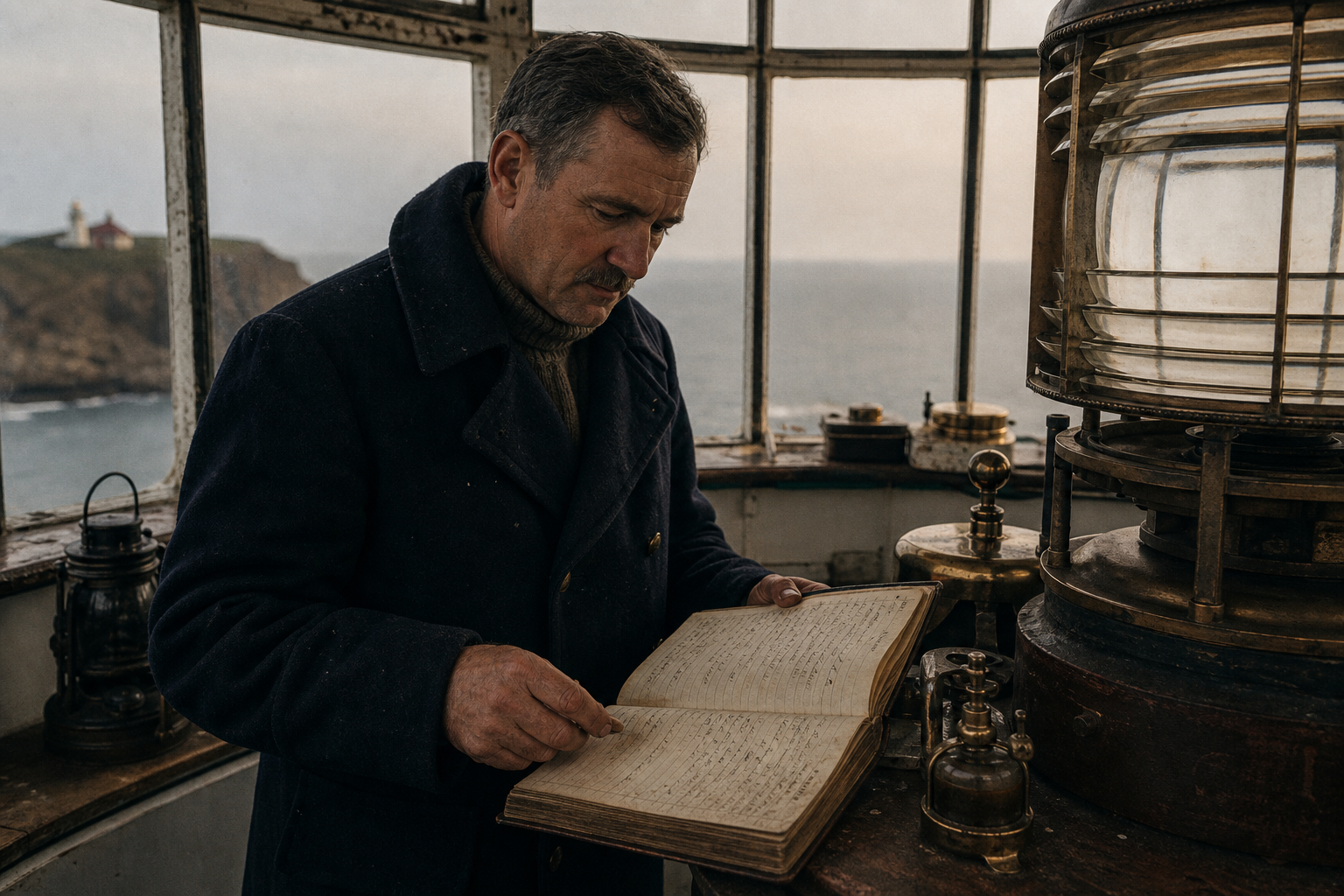
Keeper Elias Morrow records wind shifts, ship lights, and fog signals through a January storm watch.
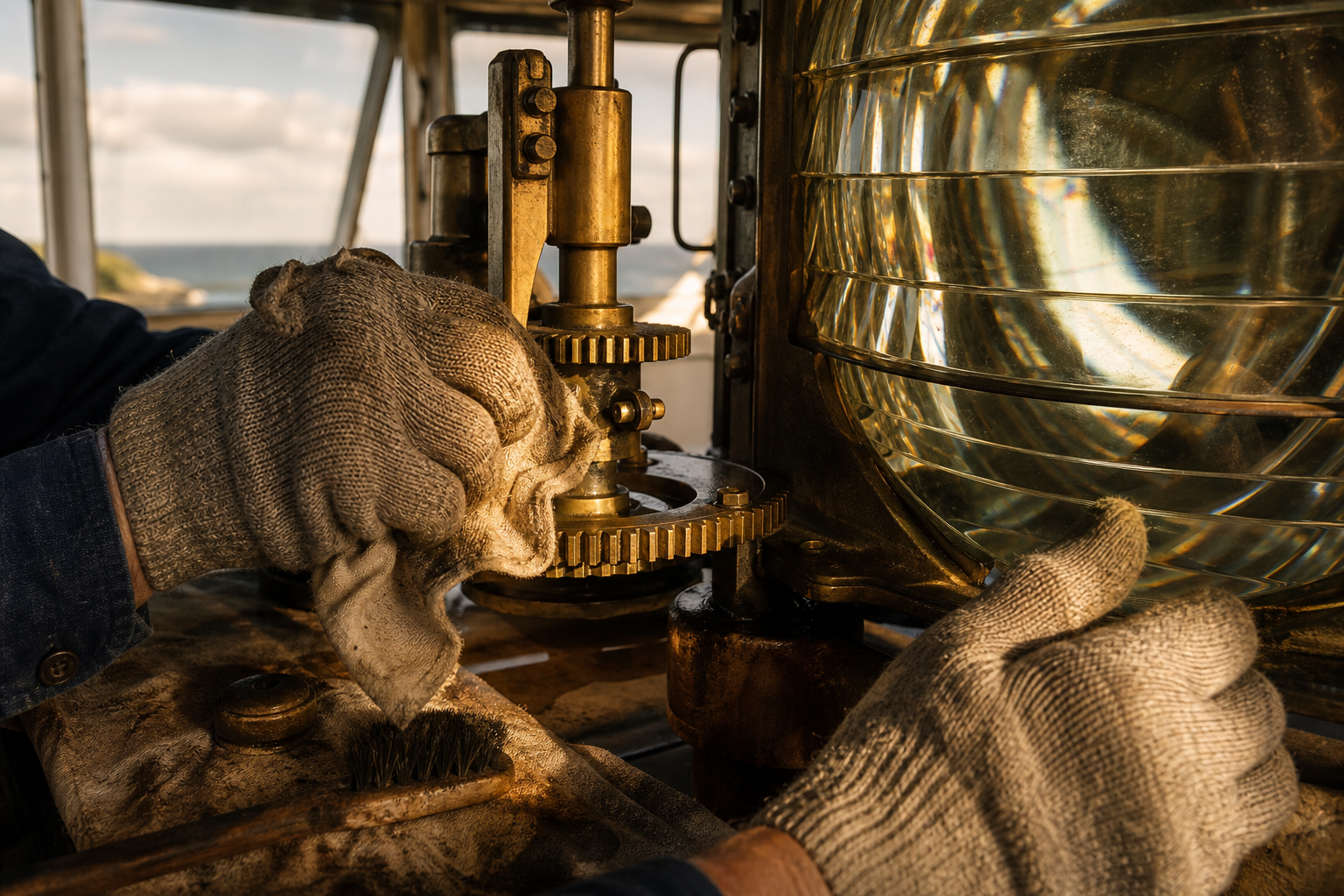
A practical look at daily maintenance rituals that kept the light steady before automation.

Inside a salt-worn tower room, a keeper scans for fishing lanterns between rain squalls.
Preserved tower map
From keeper routines to weather-worn masonry, each story gains depth when placed back on the coast itself.
Explore preserved towers by coastal stretch, compare preservation notes, and follow how harbors, cliffs, and inlets shaped each station's role in northern maritime history.